Day 126 10/29/13: Shark Miscellany #3

hqdefaultA hodgepodge of shark/marine welfare news & oddities:

1.Check Out Five Designs Inspired by Ocean Predators

2. Australia: Please keep rejecting OCEARCH! 

3. Greenpeace Serves “Shark fin Soup” to protest New Zealand’s finning laws

4. Death at Seaworld author David Kirby on CNN Vs. Seaworld

5. Would you like to see a shark throw up? Okay, here you go! 

Day 123 10/26/13: Shark on a Bus & Other Stories of Creative Conservation

images-5This eccentric Australian diver/environmentalist travels the countryside in a bus filled with marine artifacts including a 5 meter white shark to educate the public about “killer” sharks. Admission fees collected for his “mobile museum” are donated to ocean pollution campaigns.

And on the subject of unusual forms of advocacy, check out this interview with Debbie Salamone of Shark Attack Survivors for Shark Conservation….I also just discovered Operation Blue Pride, a group injured war veterans that have come together to dive with sharks and promote awareness about ocean conservation.

Day 117 10/20/13: Sunday Slacktivism: 5 Easy Ways to Help the Oceans

Large open water fish, like this Northern blue...

Large open water fish, like this Northern bluefin tuna, are oily fish. (Photo credit: Wikipedia)

Here are 5 quick and dandy ways to help the ocean and its animals:

1. Still fuming over Blackfish? Free Lolita the Orca from 43 years in captivity. Sign here.

2. A click a day helps fund Oceana’s sea-saving campaigns.

3. Overfishing, radiation, global warming and overfishing are putting unbelievable pressure on the sea and the animals that live there. Sign Greenpeace’s petition to designate 40% of the world’s oceans as protected marine reserves.

4. Bluefin Tuna are seriously overfished. Urge the National Marine Fisheries Service to take more specific measures to help them.

5. Two words: The Cove.  Ask Japan to stop killing dolphins.

Day 116 10/19/13: Save Sharks in 30 Seconds

The Bermuda Sustainable Development Department is accepting comments on a proposed marine reserve. 

Please take half a minute to answer these four simple questions!

Image

Day 114 10/17/13: Shark Miscellany #2

Today’s assortment of shark (& shark related news):

Five Myths about Fishing

16-year-old spots white shark off La Jolla 

Fatal Shark Attack in New Zealand

The cookie cutter shark strikes again

images-1

Day 112 10/15/13: Endangered Sharks & Disappearing Moose

English: A timeline of the largest mass extinc...

English: A timeline of the largest mass extinctions on Earth in the past 500 million years. Made using the numbers at Extinction event (Photo credit: Wikipedia)

At my writing class today, a wonderful woman who knew that I write about sharks, said I ought to find out why the moose are disappearing, which led us both to remark on extraordinary fact that we are living through a mass extinction that, in day to day life, few people really talk about.

Here’s a gesture against forgetting:

Although CITES granted protection for hammerheads, manta rays, white tips and porbeagles, five countries (Japan, Iceland, Denmark, Yemen and Guyana) still refuse to recognize these treaties.

Please sign this petition to ask President Obama to apply sanctions against these countries.

Day 110: 10/13/13: Five Fascinating Shark Distractions

Great white shark

Great white shark (Photo credit: 126 Club)

I got a little distracted while correcting papers:

1. Check out this video of white sharks feeding on a dead whale near Anacapa Island.

2. Make a cup of cocoa and curl up with the latest Pacific Coast breathings, attacks and other shark encounters here. 

3. Read the story of an Australian diver who survived his second shark attack in 10 years.

4. Behold gorgeous underwater images of a wily sea lion teasing a white shark near Guadalupe Island.

5. Ethics, Activism and Appetite: Read David Shiffman’s controversial “shark buffet” post on Southern Fried Science. Click here to read Shiffman’s later apology.

Day 107 10/10/13: Be a Voice for Whales and Dolphins

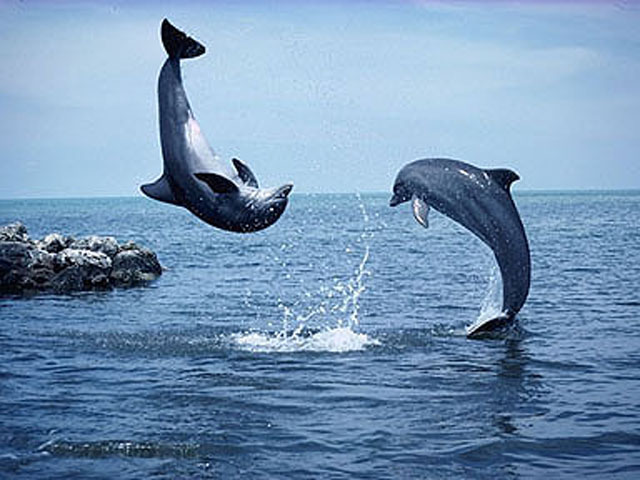
Dolphin funToday’s action: small, but important.

Sign Oceana’s petition to President Obama asking the president to halt proposed underwater seismic tests (part of underwater oil & gas explorations)  that disrupt the communication, feeding and general well-being of whales, dolphins and other marine mammals.

Day 103 10/6/13: Certified and Certifiable

David Foster Wallace gave a reading for Booksm...

David Foster Wallace  (Photo credit: Wikipedia)

“That’s great! That’s just great! You’re certifiable! Do you know that, Quint?” Brody (Roy Scheider) hollers after Quint (Robert Shaw) smashes the boat’s radio (no more calling in for a bigger one) with a baseball bat.

I replayed that “Jaws” scene endlessly in my head on the way back from Catalina as my dive teacher filled out my diver certification card. I am by no means “good” at diving, but I am no longer afraid of bleeding ears or the large sharks attracted by the ribbons of blood pulsing from my exploding lungs.

The ocean is beautiful—heart-rendingly so. But I don’t want to disturb its inhabitants. I don’t want to shine flashlights in crevices to see lobster, or play with sea cucumbers. Even as I thrilled at the glimpse of a retiring purple octopus curled up in a rock hole, I felt a rush of feeling for the little guy. I know that octopus LIKE to be left alone. And lobsters seem to value their privacy as well.

I felt glad that I would be  teaching David Foster Wallace’s “Consider the Lobster” in the morning.

The essential question is this:

How do I commune with animals, while not interfering with their nature, their ways of being? 

It’s not that animal rights guilt precludes my enjoyment of the natural world, but thoughts about animal consciousness increasingly shape my experiences.

I grew up riding horses and still love doing it (as a way of seeing the countryside), but even that activity is fraught with complications: bits, and crops and heels into ribs. I recently discovered this observation (given in sign language) from the always candid Koko the Gorilla:

Koko looks at a picture of a horse with a bit in his mouth:

K: horse sad.

CD: Why?

K: TEETH.

(Check out more of Koko’s insights in this fascinating argument for the personhood of gorillas).

More on this idea of displacement & communion soon. The sea hath ignited in my mind the power and glory of language while it seemed to have sapped the very marrow from my bones.

Day 101 10/4/13: Five Things I Learned at the Marine Mammal Center

Image

1. The pinnipeds arriving at the San Pedro rarely suffer from shark bites. The Center’s marine biologist, Chris Nagel has seen about three shark bites in five years. Most of these bites involve a stripping off of the skin. As I mentioned about a million blog posts ago, the Center treats shark bites (quite successfully) with special bacteria-free honey from South America and…duct tape.

2. The seals and sea-lion patients do suffer from marine mites, a variety of bacterial infections, and injuries inflicted by people. These include gunshots to the face, being tossed mackerel stuffed with dynamite and having their flippers hacked off by angry fishermen. Dead seals have also been found with algae-covered plastic water bottles in their guts. The most common ailment the animals suffer from–dehydration–is also indirectly, human-caused. Pinnipeds get their water from fish. Rising surface temperatures drive fish to the cooler depths. As the immature seals don’t know how to dive very deeply, they either can’t find fish, or depend on their mothers who must then go on deeper, and often longer hunts and don’t always return with food or return at all.

3. Anti-evolutionists often protest at the MMC. Even though they don’t believe in evolution, these activists express outrage that the Center “wastes” money to nurse sick and wounded animals back to health rather than “relying on natural selection.” I know, I know.

4. Some of the marine mammals that aren’t able to return to the wild, ” join” the Navy. The seals work for the military as search and rescue animals. They carry tools and identify foreign divers. Smart and cooperative, the slippery charmers are also highly social animals and rarely go AWOL. Porpoises however, are higher maintenance, and so often dubbed “The Lindsay Lohans” of the sea. The idea of drafting animals into military service makes me feel very weird.

5. Harbor seals, those spotted little darlings whose plush effigies populate aquarium gift shops everywhere, are actually really, really mean. Fur seals are also pretty cantankerous and are never returned to the ocean in popular swimming or surf spots, where they would likely bite people, but instead are transported about 40 miles out on the ocean before they’re set free.